Trade Missions
TRADE & ECONOMIC MISSIONS
Introduction
The Africa – GCC Council Trade & Economic Mission model is a data-driven business development engine, designed to forecast opportunities, pre-qualify outcomes, and deliver measurable ROI for a private cohort of founders and investors.
The Core Concept
A curated program and mindset supported by specific deals, partnerships, or capital raises transforming the mission from a "fact-finding trip" into a "deal-execution sprint."
The program's credibility and success hinge on rigorous forecasting across four interconnected pillars.
Our Trade & Economic Mission is built upon a foundation of four strategic pillars, each driven by a core forecasting question and executed through specific, outcome-oriented activities.
PILAR 1 | Market & Opportunity Intelligence
This is executed through a Sector Deep-Dive to forecast high-growth areas in the target market involving precise Investor Mapping to identify and profile exact targets, including venture capital firms, private equity, family offices, and corporate venture arms. Furthermore, it requires Partnership Mapping to list potential strategic allies, distributors, or acquisition targets.
PILAR 2 | Cohort Curation & Alignment
This begins with Participant Vetting, forecasting synergy to select a tight cohort of 5 to 10 companies with complementary strengths. It focuses on Value Proposition Packaging, developing a compelling collective narrative and involving a Pre-Mission KPI Setting, where each participant defines up to 3 to 5 specific target outcomes to ensure goal alignment.
PILAR 3 | Agenda Design for Deal Velocity
Its core is a Tiered Meeting Strategy, forecasting and scheduling a limited number of "High-Stakes" meetings with top-tier prospects alongside a broader set of "Exploratory" meetings. It plans for a Signature Closed-Door Event, forecasting the impact of an exclusive "Deal Room" roundtable to foster deep dialogue. Additionally, it incorporates Cultural & Contextual Immersion, scheduling visits to relevant hubs to ground forecasts in the local business reality.
PILAR 4 | Measurement & Follow-Through Framework
It implements a Lead Scoring System to forecast and categorize the potential of each contact post-meeting. It outlines a 90-Day Post-Mission Sprint, forecasting a clear timeline for critical follow-up actions, negotiations, and deal formalization.
In essence, this four-pillar model transforms a trade mission from a simple networking trip into a forecast-driven business development engine, where every activity is designed to convert strategic analysis into measurable commercial outcomes.
The program's credibility and success hinge on rigorous forecasting across four interconnected pillars.
Our Trade & Economic Mission is built upon a foundation of four strategic pillars, each driven by a core forecasting question and executed through specific, outcome-oriented activities.
PILAR 1 | Market & Opportunity Intelligence
This is executed through a Sector Deep-Dive to forecast high-growth areas in the target market involving precise Investor Mapping to identify and profile exact targets, including venture capital firms, private equity, family offices, and corporate venture arms. Furthermore, it requires Partnership Mapping to list potential strategic allies, distributors, or acquisition targets.
PILAR 2 | Cohort Curation & Alignment
This begins with Participant Vetting, forecasting synergy to select a tight cohort of 5 to 10 companies with complementary strengths. It focuses on Value Proposition Packaging, developing a compelling collective narrative and involving a Pre-Mission KPI Setting, where each participant defines up to 3 to 5 specific target outcomes to ensure goal alignment.
PILAR 3 | Agenda Design for Deal Velocity
Its core is a Tiered Meeting Strategy, forecasting and scheduling a limited number of "High-Stakes" meetings with top-tier prospects alongside a broader set of "Exploratory" meetings. It plans for a Signature Closed-Door Event, forecasting the impact of an exclusive "Deal Room" roundtable to foster deep dialogue. Additionally, it incorporates Cultural & Contextual Immersion, scheduling visits to relevant hubs to ground forecasts in the local business reality.
PILAR 4 | Measurement & Follow-Through Framework
It implements a Lead Scoring System to forecast and categorize the potential of each contact post-meeting. It outlines a 90-Day Post-Mission Sprint, forecasting a clear timeline for critical follow-up actions, negotiations, and deal formalization.
In essence, this four-pillar model transforms a trade mission from a simple networking trip into a forecast-driven business development engine, where every activity is designed to convert strategic analysis into measurable commercial outcomes.
- In essence, this four-pillar model transforms a trade mission from a simple networking trip into a forecast-driven business development engine, where every activity is designed to convert strategic analysis into measurable commercial outcomes.
Strategic Conclusion
Forecasting a curated program transforms a trade mission from an expense into a strategic investment. It replaces hope with data, networking with targeted business development, and vague outcomes with a clear path to capital and growth. For the entrepreneurial cohort targeting corridors like Africa-GCC, this disciplined, forecast-first approach is the essential tool for converting a region's macroeconomic potential into private-sector victory.
# Together with AIM Congress, we’re not just connecting markets we’re building the future .
AFRICA PAVILION AT AIM CONGRESS
The advantage and differential Key Factor
Serving as a Co-Host of the Africa Pavilion at AIM Congress 2026 offers the Africa-GCC Council significant strategic advantages. This role goes beyond simple participation, providing "insider access" to a premier global investment platform and unlocking specific benefits to maximize impact.
This role transforms general access into a platform for strategic influence, creating a qualitative leap in impact across all engagement dimensions.
In terms of Ecosystem & Network Access, the Council achieves strategic curation and positioning within this global platform, a true gateway for African delegations, providing crucial introductions and facilitated, direct access to the event's most influential attendees, form sovereign wealth funds, government ministers, and institutional investors who are actively seeking projects.
In terms of Ecosystem & Network Access, the Council achieves strategic curation and positioning within this global platform, a true gateway for African delegations, providing crucial introductions and facilitated, direct access to the event's most influential attendees, form sovereign wealth funds, government ministers, and institutional investors who are actively seeking projects.
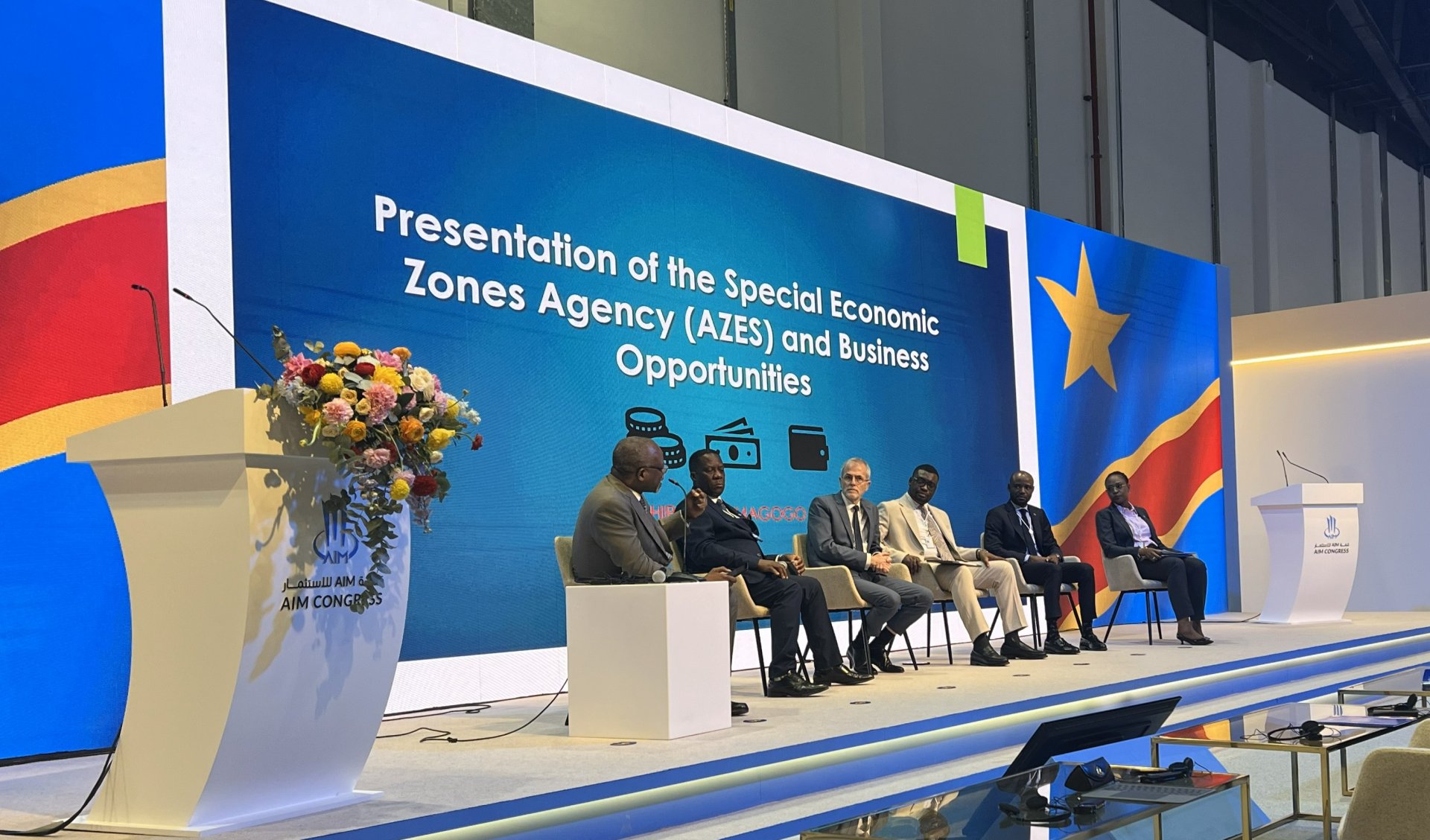
Regarding Programming & Influence, the participants of our Trade & Economic Missions have a special access to focused agenda, host exclusive closed-door leadership dialogues and high-level roundtables, and secure premium speaking roles.
Finally, in the critical area of Deal-Flow & Outcomes, general access allows for networking and matchmaking meetings.
Finally, in the critical area of Deal-Flow & Outcomes, general access allows for networking and matchmaking meetings.
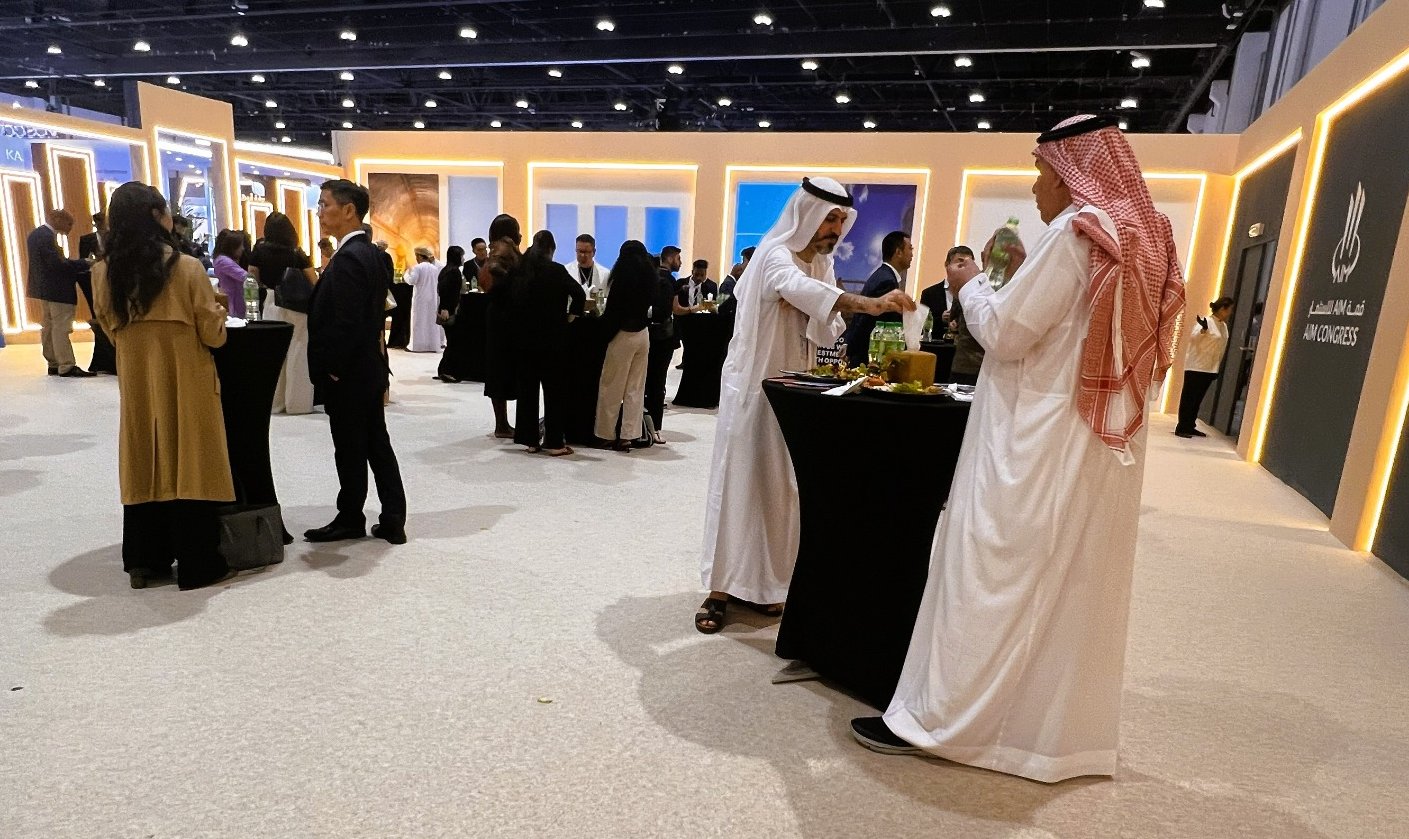
The Co-Host advantage enables proactive deal orchestration. This includes the exclusive ability to host dedicated boardroom meetings for flagship initiatives and to curate VIP meetings in exclusive lounges. This function directly connects pre-vetted capital with meticulously curated African opportunities, fundamentally accelerating transaction timelines.
In essence, co-hosting is the strategic instrument that allows the Africa-GCC Council to move from being a participant in the conversation to an architect of the deals and partnerships that emerge from it.
In essence, co-hosting is the strategic instrument that allows the Africa-GCC Council to move from being a participant in the conversation to an architect of the deals and partnerships that emerge from it.

Dubai Headquarters
Opal Tower, Business Bay,
10th Floor
Dubai
International Offices
Luanda - Angola


- © 2026 Copyright Africa GCC - Council
- Disclaimer
Powered By