Opinion - Author





The UAE's Triple Helix Model: A Catalyst for Africa's Innovation-Led Development
Author: Chrystèle Sanon, UAEFI Founder | Triple Helix Strategist
Date: 18/03/2026
The burgeoning economic relationship between the United Arab Emirates (UAE) and the African continent is rapidly evolving beyond traditional trade and investment. As African nations chart their course towards sustainable development and economic diversification, the UAE emerges not just as a capital partner, but as a strategic model for building a robust, knowledge-based economy. Drawing on first-hand observations from extended stays within Dubai's dynamic innovation ecosystem, including the in5 incubator and interactions with institutions like the University of Wollongong, this analysis argues that the UAE's deliberate and accelerated implementation of the Triple Helix model of innovation presents a powerful and replicable blueprint for Africa's structural transformation.
The UAE has successfully created a synergistic ecosystem where government, academia, and industry collaborate to foster innovation, attract talent, and generate economic value. This paper will deconstruct the architecture of this model, examine its concrete manifestations in the UAE, and outline the key lessons it holds for African policymakers aiming to fast-track their own innovation-led development agendas.
The Triple Helix model, first proposed by Etzkowitz and Leydesdorff, posits that the interaction between university, industry, and government is fundamental to fostering innovation in knowledge-based societies [1]. While many nations aspire to this ideal, the UAE has distinguished itself by operationalizing the model at a national scale with remarkable speed and coherence. This is not merely a theoretical framework but a centrally coordinated national strategy.
A prime example is the national campaign, "The Emirates: The Startup Capital of the World," launched in 2025. The campaign's ambitious goals- to train 10,000 Emirati entrepreneurs and create 30,000 jobs by 2030- are underpinned by a strategy to formally unite over 50 incubators, accelerators, funding bodies, and academic institutions under a cohesive policy framework driven by the government [2]. This initiative demonstrates a sophisticated understanding of the Triple Helix, recognizing that innovation thrives not when these three spheres operate in silos, but when their roles overlap and are mutually reinforcing.
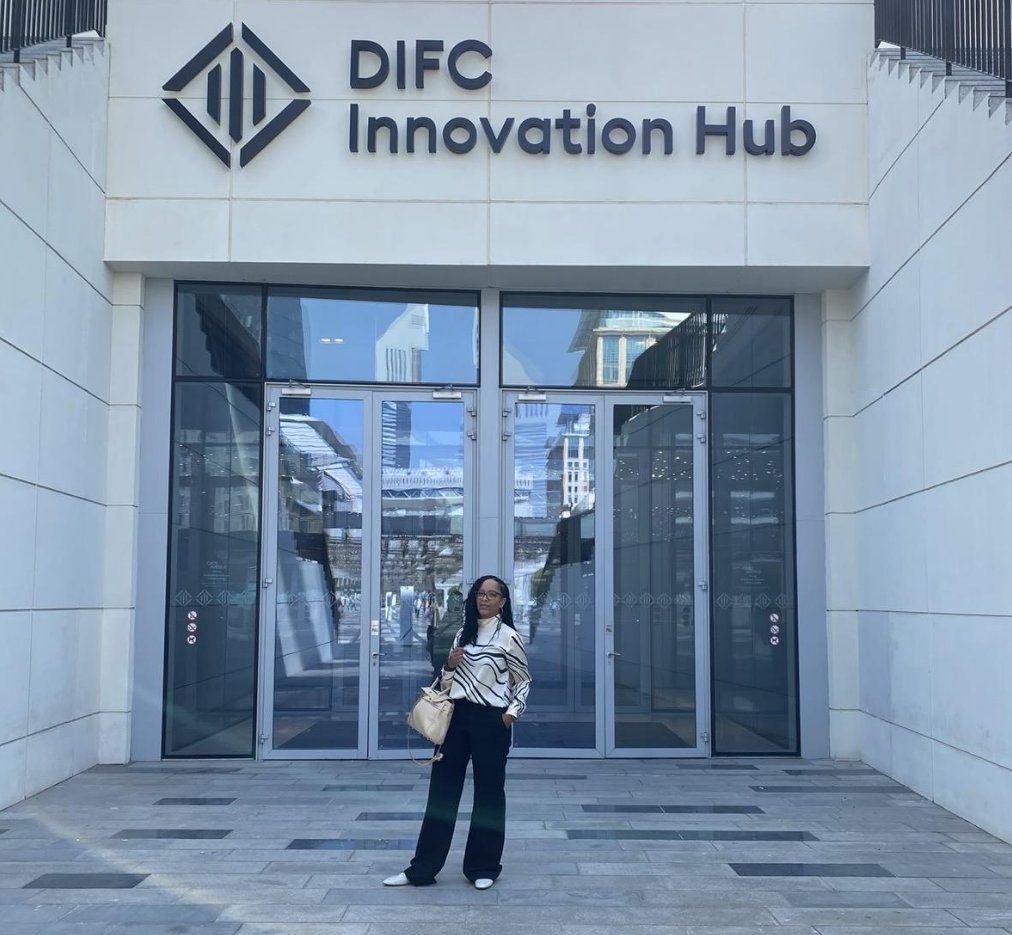
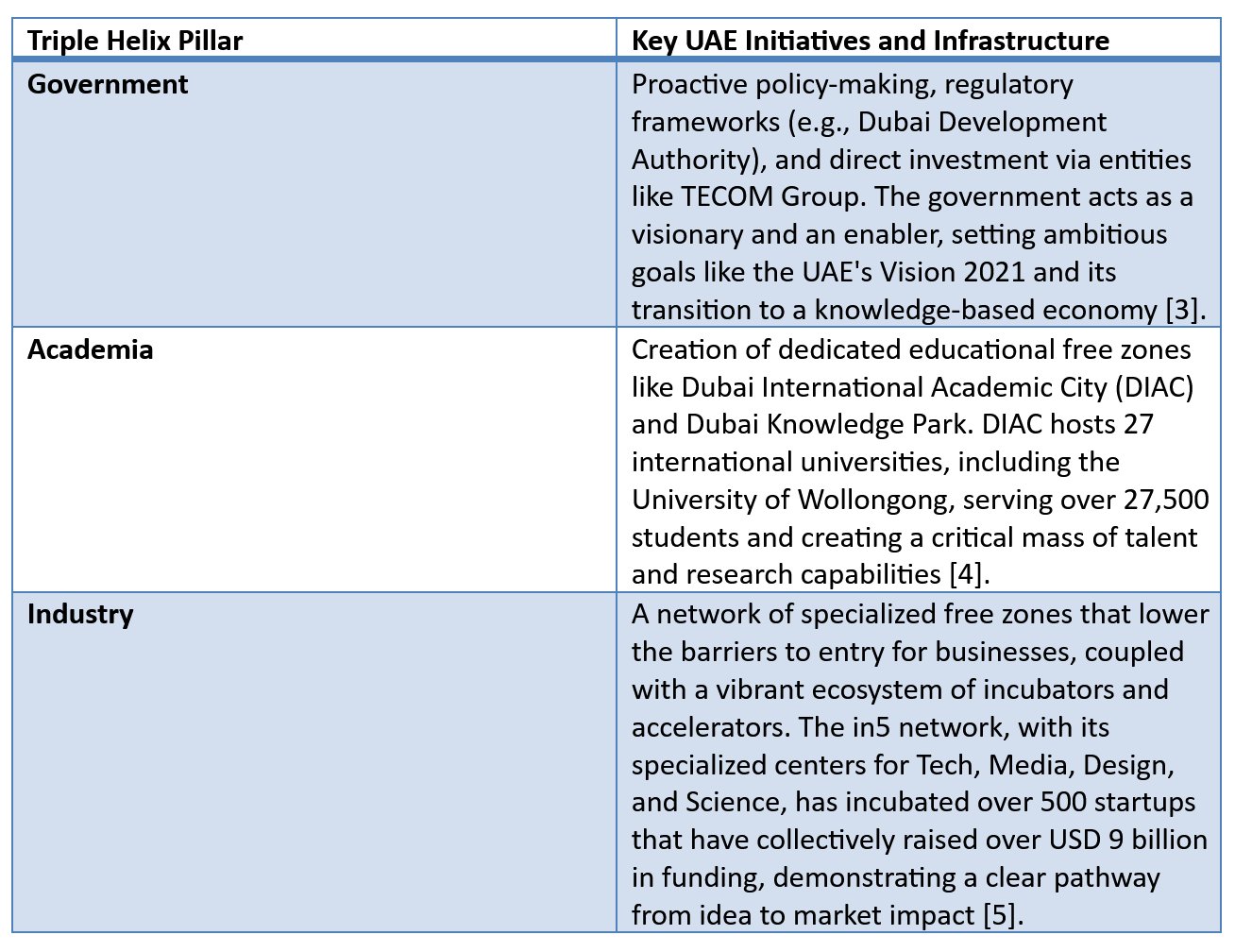
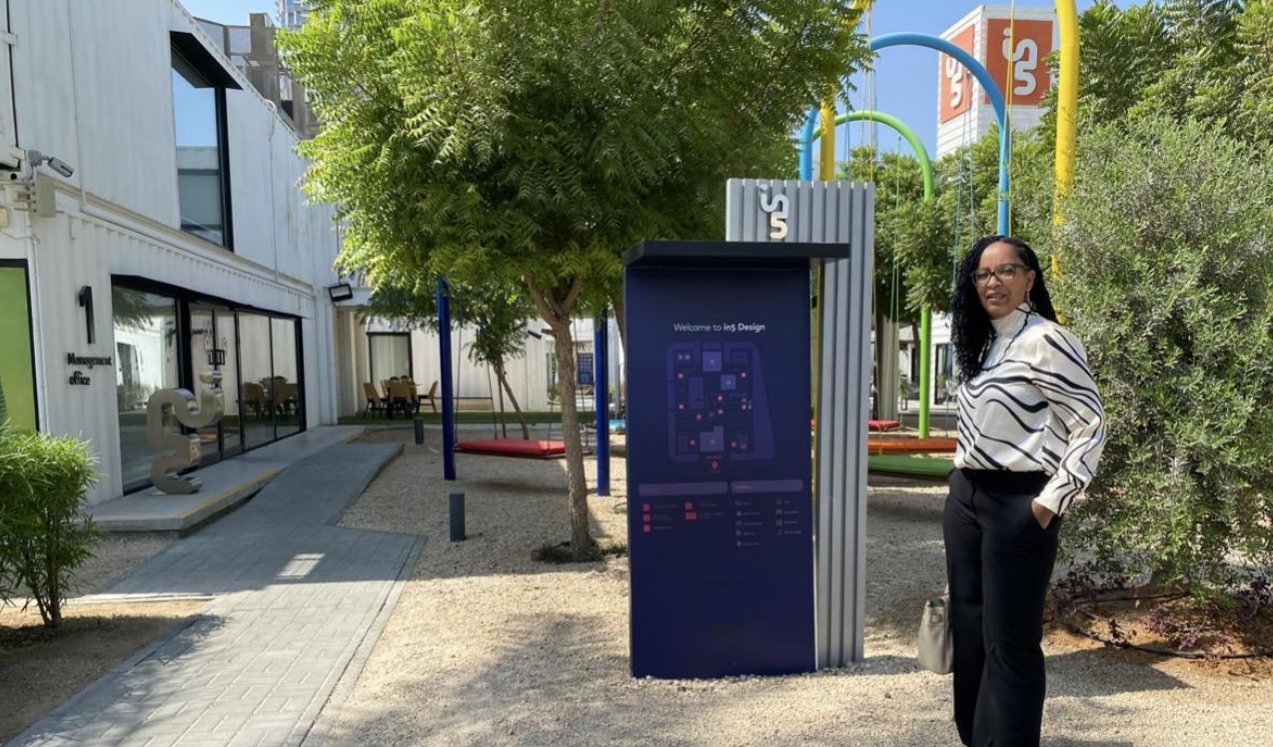
My time in Dubai, particularly at the in5 incubator, provided a ground-level view of how this integration is achieved. The ecosystem is not an accident of history but the result of deliberate, long-term architectural planning. Each pillar of the Triple Helix is supported by world-class infrastructure and incentive-driven policies.
The UAE's engagement with Africa is substantial and growing. It is now one of the continent's largest global investment partners, with investments exceeding USD 110 billion [6]. This partnership is being formalized through initiatives like the "UAE-Africa Gateway" and Comprehensive Economic Partnership Agreements (CEPAs) with numerous African nations [7].
However, the opportunity transcends capital. The recent USD 1 billion agreement between the UAE and Ghana to build Africa's largest innovation and AI hub signals a new phase of collaboration focused on technology and knowledge transfer [8]. The UAE is not just investing in Africa; it is investing in Africa's innovation capacity. For African nations, the UAE provides a powerful example of how to build a post-oil, diversified economy in a single generation.
The UAE's journey offers a clear and actionable blueprint for African nations seeking to accelerate their own development. The key lessons are not just about what to build, but how to build it in an organized and accelerated manner.
The United Arab Emirates offers a compelling 21st-century development model. Through its strategic and well-funded implementation of the Triple Helix framework, it has successfully engineered a vibrant, diversified, and globally competitive knowledge-based economy. For the African continent, the UAE represents more than a source of investment; it is a case study in strategic foresight and disciplined execution.
By studying and adapting the UAE's blueprint: strong government vision, investment in human capital, the creation of enabling ecosystems through specialized zones, and a commitment to global integration; African nations can unlock a new trajectory of development. The partnership between the UAE and Africa is poised to become a defining force in the global economy, one built not just on shared resources, but on a shared vision for an innovative and prosperous future.
[2] Matei, M. (2025, September 23). The Triple Helix in action: UAE's new campaign to forge a global startup capital. LinkedIn.
[3] World Intellectual Property Organization (WIPO). (2014). The Global Innovation Index 2014: The United Arab Emirates: Fostering a Unique Innovation Ecosystem for a Knowledge-Based Economy.
[4] Wikipedia. (n.d.). Dubai International Academic City. Retrieved February 12, 2026, from https://en.wikipedia.org/wiki/Dubai_International_Academic_City
[5] in5. (n.d.). in5 Innovation Centers. Retrieved February 12, 2026, from https://infive.ae/
[6] WAM. (2026, February 4). Investopia - Africa kicks off to strengthen economic partnerships between UAE and African continent. Emirates News Agency.
[7] Ministry of Economy UAE. (n.d.). Ministry of Economy launches 'UAE - Africa Gateway' to enhance economic and investment partnerships with African markets. Retrieved February 12, 2026.
[8] African Business. (2025, December). Ghana and UAE sign $1bn deal to build Africa's largest innovation and AI hub.
The UAE has successfully created a synergistic ecosystem where government, academia, and industry collaborate to foster innovation, attract talent, and generate economic value. This paper will deconstruct the architecture of this model, examine its concrete manifestations in the UAE, and outline the key lessons it holds for African policymakers aiming to fast-track their own innovation-led development agendas.
The Triple Helix model, first proposed by Etzkowitz and Leydesdorff, posits that the interaction between university, industry, and government is fundamental to fostering innovation in knowledge-based societies [1]. While many nations aspire to this ideal, the UAE has distinguished itself by operationalizing the model at a national scale with remarkable speed and coherence. This is not merely a theoretical framework but a centrally coordinated national strategy.
A prime example is the national campaign, "The Emirates: The Startup Capital of the World," launched in 2025. The campaign's ambitious goals- to train 10,000 Emirati entrepreneurs and create 30,000 jobs by 2030- are underpinned by a strategy to formally unite over 50 incubators, accelerators, funding bodies, and academic institutions under a cohesive policy framework driven by the government [2]. This initiative demonstrates a sophisticated understanding of the Triple Helix, recognizing that innovation thrives not when these three spheres operate in silos, but when their roles overlap and are mutually reinforcing.
Deconstructing the UAE's innovation architecture
My time in Dubai, particularly at the in5 incubator, provided a ground-level view of how this integration is achieved. The ecosystem is not an accident of history but the result of deliberate, long-term architectural planning. Each pillar of the Triple Helix is supported by world-class infrastructure and incentive-driven policies.
The UAE-Africa Opportunity: A Partnership for Structural Transformation
The UAE's engagement with Africa is substantial and growing. It is now one of the continent's largest global investment partners, with investments exceeding USD 110 billion [6]. This partnership is being formalized through initiatives like the "UAE-Africa Gateway" and Comprehensive Economic Partnership Agreements (CEPAs) with numerous African nations [7].
However, the opportunity transcends capital. The recent USD 1 billion agreement between the UAE and Ghana to build Africa's largest innovation and AI hub signals a new phase of collaboration focused on technology and knowledge transfer [8]. The UAE is not just investing in Africa; it is investing in Africa's innovation capacity. For African nations, the UAE provides a powerful example of how to build a post-oil, diversified economy in a single generation.
Lessons for Africa: a blueprint for accelerated development
The UAE's journey offers a clear and actionable blueprint for African nations seeking to accelerate their own development. The key lessons are not just about what to build, but how to build it in an organized and accelerated manner.
- Visionary Government Leadership: The process begins with a clear, top-down national vision that aligns all government bodies and provides the political will to overcome bureaucratic hurdles. The UAE government acts as a strategic investor and market-maker, de-risking innovation for the private sector.
- Creation of Specialized Zones: The establishment of dedicated free zones for education (DIAC), technology (Dubai Internet City), and other key sectors creates clusters of excellence. These zones offer simplified regulations, tax incentives, and world-class infrastructure, attracting both global giants and nascent startups.
- Investing in Human Capital as a Foundation: The UAE's allocation of over 20% of its federal budget to education underscores a fundamental understanding: a knowledge economy is built by knowledgeable people. By attracting top-tier international universities, the UAE has rapidly scaled its human capital base.
- Fostering a Complete Startup Ecosystem: Success requires more than just an idea. The in5 model demonstrates the importance of providing a full suite of support services- from subsidized business licenses and co-working spaces to mentorship, investor access, and prototyping labs. This holistic support dramatically increases a startup's probability of success.
- Embracing Global Integration: The UAE's model is fundamentally open. It actively courts foreign universities, companies, and talent, recognizing that a world-class ecosystem cannot be built in isolation. This openness accelerates learning and integrates the local economy into global value chains.
Conclusion
The United Arab Emirates offers a compelling 21st-century development model. Through its strategic and well-funded implementation of the Triple Helix framework, it has successfully engineered a vibrant, diversified, and globally competitive knowledge-based economy. For the African continent, the UAE represents more than a source of investment; it is a case study in strategic foresight and disciplined execution.
By studying and adapting the UAE's blueprint: strong government vision, investment in human capital, the creation of enabling ecosystems through specialized zones, and a commitment to global integration; African nations can unlock a new trajectory of development. The partnership between the UAE and Africa is poised to become a defining force in the global economy, one built not just on shared resources, but on a shared vision for an innovative and prosperous future.
References
[1] Etzkowitz, H., & Leydesdorff, L. (2000). The dynamics of innovation: from National Systems and "Mode 2" to a Triple Helix of university-industry-government relations. Research Policy.[2] Matei, M. (2025, September 23). The Triple Helix in action: UAE's new campaign to forge a global startup capital. LinkedIn.
[3] World Intellectual Property Organization (WIPO). (2014). The Global Innovation Index 2014: The United Arab Emirates: Fostering a Unique Innovation Ecosystem for a Knowledge-Based Economy.
[4] Wikipedia. (n.d.). Dubai International Academic City. Retrieved February 12, 2026, from https://en.wikipedia.org/wiki/Dubai_International_Academic_City
[5] in5. (n.d.). in5 Innovation Centers. Retrieved February 12, 2026, from https://infive.ae/
[6] WAM. (2026, February 4). Investopia - Africa kicks off to strengthen economic partnerships between UAE and African continent. Emirates News Agency.
[7] Ministry of Economy UAE. (n.d.). Ministry of Economy launches 'UAE - Africa Gateway' to enhance economic and investment partnerships with African markets. Retrieved February 12, 2026.
[8] African Business. (2025, December). Ghana and UAE sign $1bn deal to build Africa's largest innovation and AI hub.



 Advertisement
 Advertisement
 Advertisement
 Advertisement
 Advertisement
 Advertisement
 Advertisement
 Advertisement

Dubai Headquarters
Opal Tower, Business Bay,
10th Floor
Dubai
International Offices
Abidjan - Côte d’Ivoire
Luanda - Angola


- © 2026 Copyright Africa GCC - Council
- Disclaimer
Powered By