
Why Building a Digital Economy Is Africa’s Most Viable Path to Long-Term Development
Author: Miguel Cordeiro, CEO MyBusiness.com | Global Cities Director,
Connect Cities
Connect Cities
Date: 20/1/2026
Africa’s development challenge is not a lack of ambition, talent, or resources. It is a challenge of scale, fragmentation, and speed. With 54 countries, thousands of languages, diverse regulatory environments, and uneven infrastructure, Africa is not a single market, it is a continent of parallel realities. Any serious development strategy must work across this complexity, not against it.
This is why building a digital economy is not simply one option among many. It is Africa’s most viable path to long-term, inclusive development.
The digital economy is uniquely positioned to connect people, markets, and ideas across borders, cultures, and geographies. More importantly, it is the only economic layer that can scale fast enough, cheaply enough, and inclusively enough to meet Africa’s demographic and economic realities.

Digital infrastructure works differently. It compresses distance, lowers barriers to entry, and enables participation regardless of location. A young entrepreneur in Lagos, Nairobi, or Accra can now sell services globally, learn from international markets, and collaborate across borders, without waiting for full physical integration to materialize.
Africa’s economic future depends less on moving goods across borders and more on moving knowledge, services, trust, and opportunity. That is the natural domain of the digital economy.
This mobile penetration creates a foundation that few regions had at a similar stage of development. When paired with digital platforms, mobile infrastructure enables financial inclusion, entrepreneurship, and cross-border economic activity at unprecedented scale.

The opportunity now is to build economic systems on top of this reality, rather than attempting to replicate development paths designed for different historical contexts.
Decentralized digital platforms, by contrast, empower local actors while connecting them globally. They allow communities, entrepreneurs, and small businesses to create value locally and access global markets without intermediaries that extract disproportionate value.
In Africa, digital only works when it reflects the continent’s diversity, not when it attempts to override it.
Manufacturing demands heavy upfront investment, stable energy, logistics, and long time horizons. Tourism requires physical infrastructure, security, and global demand, and often benefits only specific regions. Agriculture and natural resources remain vulnerable to price volatility and low value capture.
These sectors matter, but without a digital layer, they remain slow, fragmented, and limited in their ability to compound growth.
The digital economy does not replace these sectors; it multiplies their effectiveness.

First, digital and entrepreneurial skills must be built at scale. Governments, telecom operators, NGOs and private platforms can collaborate to deliver accessible, modular training focused on real market needs - digital literacy, online commerce, service exports, and emerging technologies such as AI. Programs must be created that encourage learning and bring fast results to those who enroll in it.
Second, mindsets must shift, particularly among young people. Africa’s youth are its greatest asset, but education systems often prepare them for jobs that no longer exist. Early exposure to digital creation, entrepreneurship, and cross-border collaboration is essential.
Third, digital tools must be made available and affordable. Access to platforms for selling, learning, networking, and payments matters more than access to theory. Tools must be localized, mobile-friendly, and designed for real-world constraints.
Fourth, connectivity must be treated as economic infrastructure, not merely a social service. Affordable access enables participation, productivity, and growth. Public–private cooperation can accelerate coverage while ensuring sustainability.
And finally, partnerships are essential to build a truly Global Digital Africa. No single actor - government, corporation, or development institution - can deliver digital transformation at continental scale. Governments provide policy alignment and legitimacy; telecom operators enable connectivity; banks and fintechs unlock payments and financial inclusion; corporations bring platforms, market access, and execution capacity; and global development organizations contribute capital, coordination, and long-term vision.
When these actors align around shared digital initiatives, the result is not duplication but multiplication. A Global Digital Africa must be built through interoperable systems, public-private collaboration, and cross-border frameworks that allow digital talent, services, and enterprises to move seamlessly across markets.
Digital cooperation creates faster, more inclusive economic bridges than traditional trade alone. It allows collaboration at the level of people, skills, startups, and services - well before physical integration catches up.
For both regions, the digital economy is not just a development tool - it is a strategic opportunity.
The digital economy is not optional. It is foundational. Without it, no development strategy can scale across Africa’s diversity or keep pace with its demographic growth.
Long-term prosperity will belong to economies that connect people, skills, and opportunity at scale. For Africa, building a digital economy is not just the most viable path forward - it is the only one capable of delivering inclusive, sustainable development in the decades ahead.
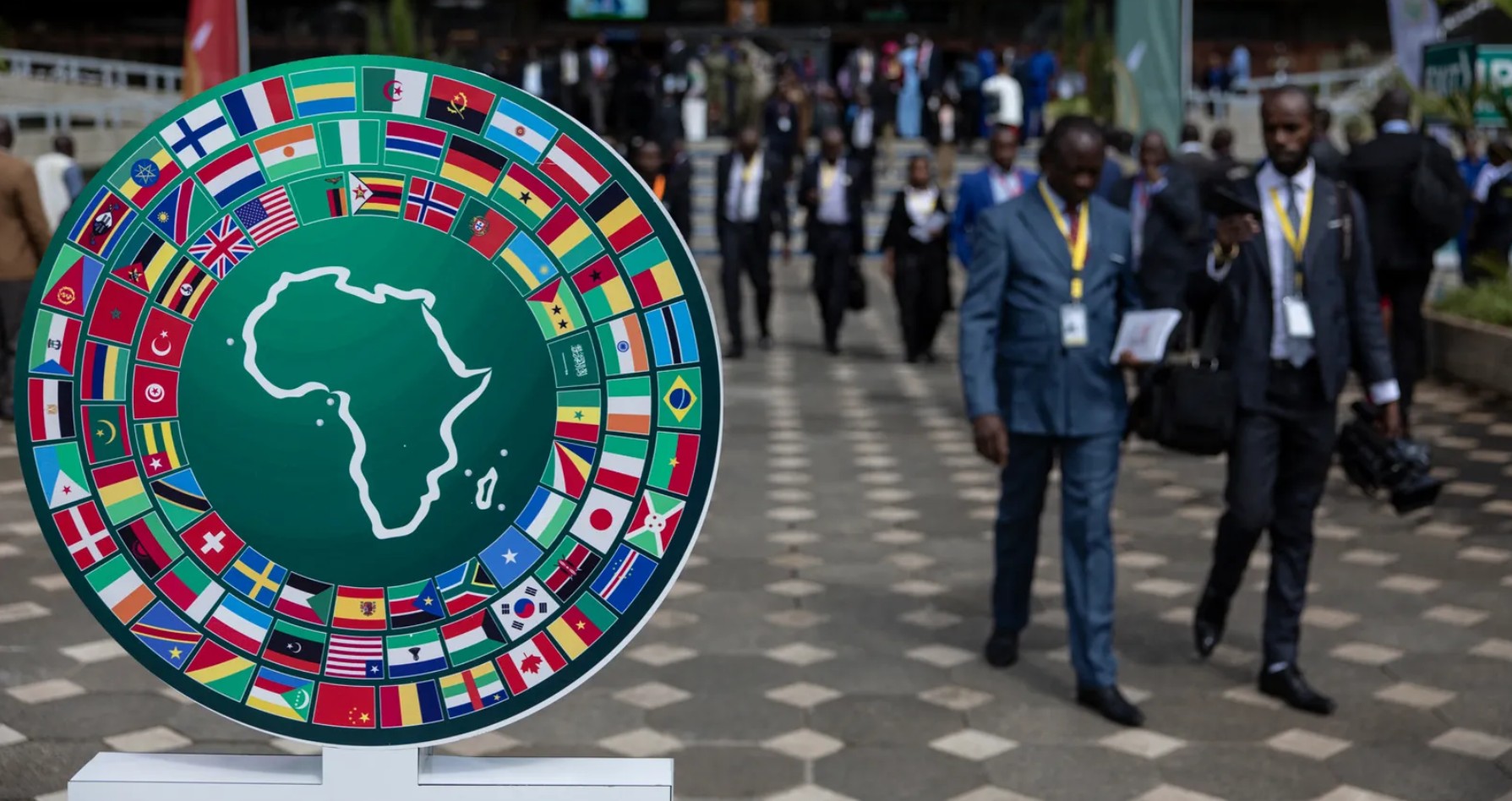
Governments must move beyond pilot programs and fragmented initiatives toward continentally minded digital frameworks that encourage interoperability, cross-border collaboration, and private-sector participation. Corporations and telecom operators should view Africa not only as a consumer market, but as a producer of digital services, talent, and innovation. Banks and financial institutions have a pivotal role in enabling trust, payments, and access to capital for digital entrepreneurs operating beyond national borders. Global development organizations must align funding and programs around scalable digital ecosystems, not isolated projects.
This is where a shared initiative for a Global Digital Africa becomes essential - not as a single platform or institution, but as a coordinated effort to connect people, skills, markets, and opportunity through digital means. Such an initiative must be practical, decentralized, and measurable, focused on enabling participation rather than controlling outcomes.
Africa’s long-term development will not be determined solely by infrastructure or investment flows, but by its ability to integrate digitally before it integrates physically. The digital economy offers Africa and its global partners a rare opportunity to build prosperity faster, more inclusively, and more sustainably.
The time for strategy papers has passed. What is needed now is commitment, collaboration, and execution. The digital future of Africa will be built by those who act, not those who wait.
Footnote: This article is part of a series called “Building The African Digital Economy”. If you like it please follow our initiatives: Africa GCC Council and MyBusiness.com or contact me through my linkedin Miguel Cordeiro.
This is why building a digital economy is not simply one option among many. It is Africa’s most viable path to long-term, inclusive development.
The digital economy is uniquely positioned to connect people, markets, and ideas across borders, cultures, and geographies. More importantly, it is the only economic layer that can scale fast enough, cheaply enough, and inclusively enough to meet Africa’s demographic and economic realities.
A Continent That Must Be Connected Before It Can Be Integrated
Traditional development models assume a level of physical integration that Africa, realistically, does not yet have. Roads, railways, ports, and industrial zones are essential, but they require massive capital, long timelines, and political coordination that often takes decades.Digital infrastructure works differently. It compresses distance, lowers barriers to entry, and enables participation regardless of location. A young entrepreneur in Lagos, Nairobi, or Accra can now sell services globally, learn from international markets, and collaborate across borders, without waiting for full physical integration to materialize.
Africa’s economic future depends less on moving goods across borders and more on moving knowledge, services, trust, and opportunity. That is the natural domain of the digital economy.
Mobile-First by Reality, Not by Design
Africa’s digital advantage is not theoretical - it already exists. The continent leapfrogged fixed-line infrastructure and desktop computing, becoming mobile-first by necessity. Today, mobile phones are the primary gateway to communication, payments, learning, and commerce for hundreds of millions of Africans.This mobile penetration creates a foundation that few regions had at a similar stage of development. When paired with digital platforms, mobile infrastructure enables financial inclusion, entrepreneurship, and cross-border economic activity at unprecedented scale.
The opportunity now is to build economic systems on top of this reality, rather than attempting to replicate development paths designed for different historical contexts.
Why Centralized Models Will Not Work
Digital transformation only succeeds at scale when it is decentralized. Africa’s diversity makes centralized, top-down systems inefficient and exclusionary. No single language, institution, or market structure can serve the entire continent.Decentralized digital platforms, by contrast, empower local actors while connecting them globally. They allow communities, entrepreneurs, and small businesses to create value locally and access global markets without intermediaries that extract disproportionate value.
In Africa, digital only works when it reflects the continent’s diversity, not when it attempts to override it.
Why Traditional Development Paths Are Not Enough
Manufacturing, tourism, agriculture, and extractive industries all play important roles in Africa’s economy. However, on their own, they cannot deliver the scale or speed of impact required.Manufacturing demands heavy upfront investment, stable energy, logistics, and long time horizons. Tourism requires physical infrastructure, security, and global demand, and often benefits only specific regions. Agriculture and natural resources remain vulnerable to price volatility and low value capture.
These sectors matter, but without a digital layer, they remain slow, fragmented, and limited in their ability to compound growth.
The digital economy does not replace these sectors; it multiplies their effectiveness.
The Practical Paths to Digital Development
Building a digital economy is not an abstract vision. It requires deliberate, coordinated action across several fronts.First, digital and entrepreneurial skills must be built at scale. Governments, telecom operators, NGOs and private platforms can collaborate to deliver accessible, modular training focused on real market needs - digital literacy, online commerce, service exports, and emerging technologies such as AI. Programs must be created that encourage learning and bring fast results to those who enroll in it.
Second, mindsets must shift, particularly among young people. Africa’s youth are its greatest asset, but education systems often prepare them for jobs that no longer exist. Early exposure to digital creation, entrepreneurship, and cross-border collaboration is essential.
Third, digital tools must be made available and affordable. Access to platforms for selling, learning, networking, and payments matters more than access to theory. Tools must be localized, mobile-friendly, and designed for real-world constraints.
Fourth, connectivity must be treated as economic infrastructure, not merely a social service. Affordable access enables participation, productivity, and growth. Public–private cooperation can accelerate coverage while ensuring sustainability.
And finally, partnerships are essential to build a truly Global Digital Africa. No single actor - government, corporation, or development institution - can deliver digital transformation at continental scale. Governments provide policy alignment and legitimacy; telecom operators enable connectivity; banks and fintechs unlock payments and financial inclusion; corporations bring platforms, market access, and execution capacity; and global development organizations contribute capital, coordination, and long-term vision.
When these actors align around shared digital initiatives, the result is not duplication but multiplication. A Global Digital Africa must be built through interoperable systems, public-private collaboration, and cross-border frameworks that allow digital talent, services, and enterprises to move seamlessly across markets.
The Strategic Role of Africa - GCC Collaboration
The partnership between Africa and the Gulf Cooperation Countries (GCC) (*) are uniquely positioned to accelerate this transformation. GCC economies such as UAE, Saudi Arabia and Qatar bring capital, digital infrastructure expertise, and experience in platform-led growth. Africa brings scale, talent, and demographic momentum.Digital cooperation creates faster, more inclusive economic bridges than traditional trade alone. It allows collaboration at the level of people, skills, startups, and services - well before physical integration catches up.
For both regions, the digital economy is not just a development tool - it is a strategic opportunity.
Digital as the Great Economic Equalizer
Africa does not need to replicate the industrial paths of Europe, North America, or Asia. It has the opportunity to leapfrog - to build a digital-first economic model designed for its realities, not its limitations.The digital economy is not optional. It is foundational. Without it, no development strategy can scale across Africa’s diversity or keep pace with its demographic growth.
Long-term prosperity will belong to economies that connect people, skills, and opportunity at scale. For Africa, building a digital economy is not just the most viable path forward - it is the only one capable of delivering inclusive, sustainable development in the decades ahead.
From Vision to Execution: A Call to Action
The question is no longer whether Africa should build a digital economy, but who will step forward to help shape it. The foundations already exist: a young and connected population, widespread mobile adoption, entrepreneurial energy, and growing regional and global interest. What is missing is coordinated execution at scale.Governments must move beyond pilot programs and fragmented initiatives toward continentally minded digital frameworks that encourage interoperability, cross-border collaboration, and private-sector participation. Corporations and telecom operators should view Africa not only as a consumer market, but as a producer of digital services, talent, and innovation. Banks and financial institutions have a pivotal role in enabling trust, payments, and access to capital for digital entrepreneurs operating beyond national borders. Global development organizations must align funding and programs around scalable digital ecosystems, not isolated projects.
This is where a shared initiative for a Global Digital Africa becomes essential - not as a single platform or institution, but as a coordinated effort to connect people, skills, markets, and opportunity through digital means. Such an initiative must be practical, decentralized, and measurable, focused on enabling participation rather than controlling outcomes.
Africa’s long-term development will not be determined solely by infrastructure or investment flows, but by its ability to integrate digitally before it integrates physically. The digital economy offers Africa and its global partners a rare opportunity to build prosperity faster, more inclusively, and more sustainably.
The time for strategy papers has passed. What is needed now is commitment, collaboration, and execution. The digital future of Africa will be built by those who act, not those who wait.
(*) Cooperation Council for the Arab States of the Gulf, also known as the Gulf Cooperation Council (GCC), is a regional, intergovernmental, political, and economic union and military alliance comprising Bahrain, Kuwait, Oman, Qatar, Saudi Arabia, and the United Arab Emirates.
Footnote: This article is part of a series called “Building The African Digital Economy”. If you like it please follow our initiatives: Africa GCC Council and MyBusiness.com or contact me through my linkedin Miguel Cordeiro.






 Advertisement
 Advertisement
 Advertisement
Dubai Headquarters
Opal Tower, Business Bay,
10th Floor
Dubai
International Offices
Luanda - Angola


- © 2026 Copyright Africa GCC - Council
- Disclaimer
Powered By
